Evaluating Foot Structure and Movement in People With Type 2 Diabetes

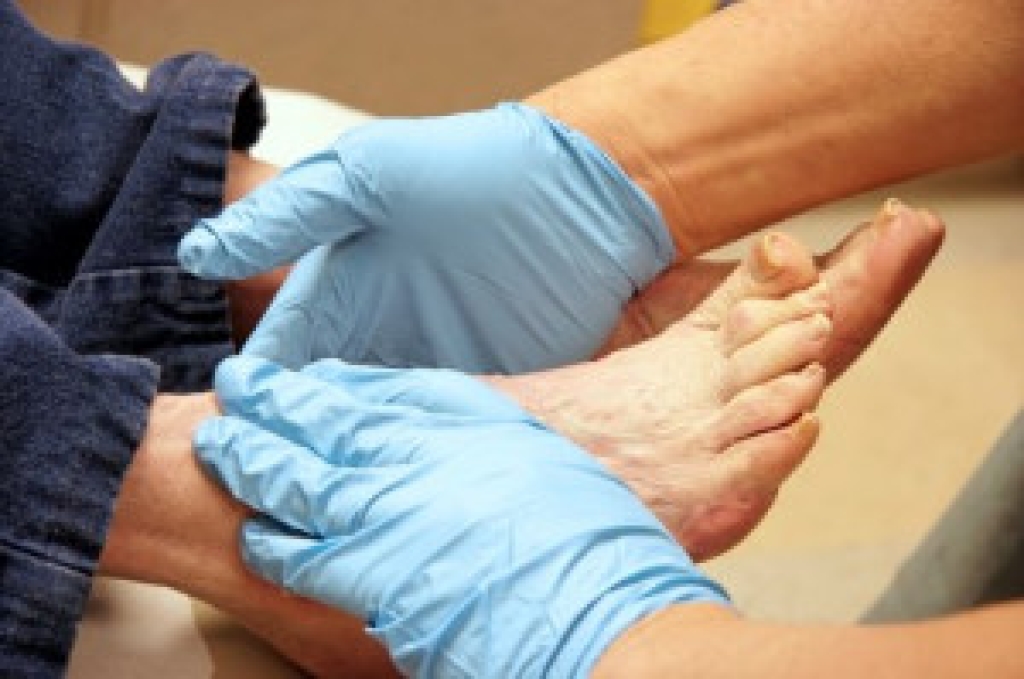
People living with type 2 diabetes often develop changes in the way their feet move and function, making regular evaluation essential. Over time, high blood sugar can affect nerves, soft tissues, and joint flexibility, which may alter foot shape or reduce natural motion. A podiatrist begins by observing how the foot bears weight, noting areas of pressure, instability, or collapse that may lead to pain or skin breakdown. Joint mobility is assessed through gentle movement of the toes, midfoot, and ankle to determine stiffness, laxity, or early deformities. These findings guide decisions about protective footwear, custom orthotics, and activity modifications to prevent complications. Understanding how the foot functions as a whole allows for earlier intervention and safer long-term mobility. To protect your foot health, it is suggested that you see a podiatrist regularly if you have type 2 diabetes.

If you have any concerns about your feet, contact Kentston Cripe, DPM from Roseville Foot & Ankle. Our doctor can provide the care you need to keep you pain-free and on your feet.

Biomechanics in Podiatry

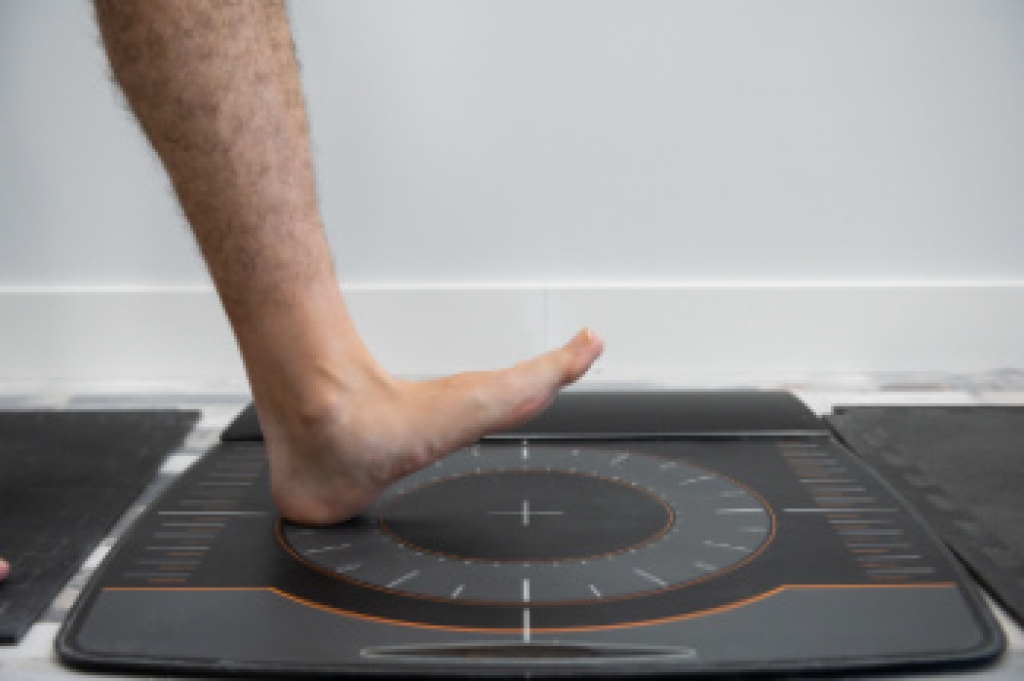
Podiatric biomechanics is a particular sector of specialty podiatry with licensed practitioners who are trained to diagnose and treat conditions affecting the foot, ankle and lower leg. Biomechanics deals with the forces that act against the body, causing an interference with the biological structures. It focuses on the movement of the ankle, the foot and the forces that interact with them.

A History of Biomechanics

  • Biomechanics dates back to the BC era in Egypt where evidence of professional foot care has been recorded.
  • In 1974, biomechanics gained a higher profile from the studies of Merton Root, who claimed that by changing or controlling the forces between the ankle and the foot, corrections or conditions could be implemented to gain strength and coordination in the area.

Modern technological improvements are based on past theories and therapeutic processes that provide a better understanding of podiatric concepts for biomechanics. Computers can provide accurate information about the forces and patterns of the feet and lower legs.

Understanding biomechanics of the feet can help improve and eliminate pain, stopping further stress to the foot.

If you have any questions please feel free to contact our office located in Roseville, CA . We offer the newest diagnostic and treatment technologies for all your foot and ankle needs.

Read more about The Importance of Biomechanics in Podiatry

Broken Toes and How Early Care Supports Recovery

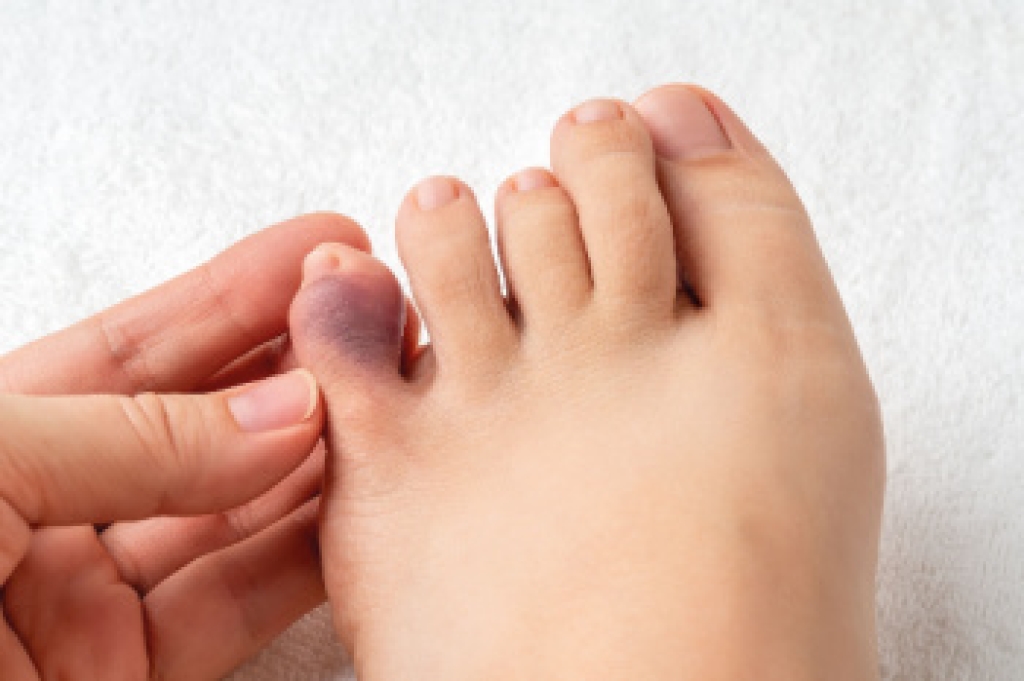
A broken toe is a common injury that can result from trauma, such as stubbing, dropping a heavy object on the foot, or sports related accidents. The toe may look swollen, bruised, or misaligned, and, in severe cases, it may appear deformed or out of place. It often feels painful, tender, or throbbing, particularly while walking, standing, or applying pressure. Additional symptoms can include difficulty in moving the toe, stiffness, or a cracking sensation at the time of injury. A podiatrist can begin by performing a thorough examination, assessing the degree of injury, and ordering imaging, such as X-rays, to confirm the break and identify any displacement. Treatment may involve buddy taping, protective footwear, pain management, or in more severe cases, surgical intervention to properly realign the bones. Because early professional care promotes healing, prevents complications, and restores mobility, it is suggested that you  promptly schedule an appointment with a podiatrist for appropriate treatment solutions.

Broken toes may cause a lot of pain and should be treated as soon as possible. If you have any concerns about your feet, contact Kentston Cripe, DPM from Roseville Foot & Ankle. Our doctor will treat your foot and ankle needs.

What Is a Broken Toe?

A broken toe occurs when one or more of the toe bones of the foot are broken after an injury. Injuries such as stubbing your toe or dropping a heavy object on it may cause a toe fracture.

Symptoms of a Broken Toe

  • Swelling
  • Pain (with/without wearing shoes)
  • Stiffness
  • Nail Injury

Although the injured toe should be monitored daily, it is especially important to have a podiatrist look at your toe if you have severe symptoms. Some of these symptoms include worsening or new pain that is not relieved with medication, sores, redness, or open wounds near the toe.

If you have any questions please feel free to contact our office located in Roseville, CA . We offer the newest diagnostic tools and technology to treat your foot and ankle needs.

Read more about What to Know About a Broken Toe

We Can Treat Your Foot or Ankle Pain

Foot or ankle pain can negatively affect your day-to-day life and can occur due to several different conditions. Pain can also be an indicator of a more serious underlying condition, which is why you should seek professional help as soon as you notice any abnormalities in your feet.

Connect With Us

scroll to top